Design Interior Manila: Where Spaces Become Stories
In today’s fast-evolving urban landscape—from the bustling corridors of Makati CBD to the creative nooks of Poblacion—interior design is no longer just about aesthetics. It’s about crafting experiences. At our firm, with over two decades of global and local practice, we believe that every space should resonate with the people who inhabit it. Whether it’s a home in Quezon City, a boutique in Bonifacio Global City, or a hybrid workspace in Ortigas, great design begins with empathy, cultural awareness, and a deep understanding of how people live, work, and connect.Design Interior Manila
This is the heart of Design Interior Manila: not just decorating rooms, but shaping environments that inspire, comfort, and empower.
People-Centric Design: The Soul of Every Project
Gone are the days when offices were sterile grids or homes were showrooms untouched by real life. Today’s design philosophy centers on tao muna—people first. In Manila’s dynamic work culture, where “diskarte” meets digital nomadism, we design offices that support focus, collaboration, and well-being. Think quiet pods for deep work near the Pasig River views, ergonomic zones with local capiz shell lighting, and communal areas that encourage merienda breaks as moments of connection.
Similarly, in residential spaces, we prioritize flow, light, and emotional comfort. A bedroom isn’t just a place to sleep—it’s a sanctuary for rest in a city that never truly sleeps. Using breathable linens, curved headboards inspired by organic forms, and calming earth tones like kulay lupa (earth hues), we create rooms that feel like a deep exhale.
Cultural Relevance Meets Global Standards
Manila’s design identity is beautifully layered—Spanish-era arches meet modernist minimalism, while banig weaves sit beside Scandinavian furniture. Our approach honors this fusion. We don’t import trends blindly; we reinterpret them through a Filipino lens.
For retail clients in Salcedo Village or Greenhills, this means designing stores that feel both luxurious and familiar—where a handcrafted santol wood display echoes heritage, yet the layout follows global retail psychology principles to guide customer journeys intuitively.
In corporate settings, we blend international best practices in biophilic design—like indoor plant ledges with sampaguita or anahaw—with local craftsmanship. The result? Workspaces that meet LEED-inspired standards while feeling unmistakably Pinoy.
From Function to Feeling: The Experience Shift
What separates ordinary interiors from transformative ones? Intention.
Take the rise of multi-functional zones—a global trend we’ve adapted thoughtfully for Manila’s compact urban homes. A fold-away desk isn’t just space-saving; it’s a quiet rebellion against the 9-to-5 grind, allowing a Makati apartment to shift from Zoom calls by day to pamilya time by night. We use sliding screens made from woven rattan, or modular shelving that doubles as room dividers, ensuring flexibility without sacrificing warmth.
In hospitality and boutique retail, we lean into “immersive storytelling.” A café in Kapitolyo might feature wallpaper that maps old Pasig trade routes, while a showroom in Alabang uses orb lighting—soft, portable, and dimmable—to create mood that shifts from bright and energetic at noon to intimate by evening.
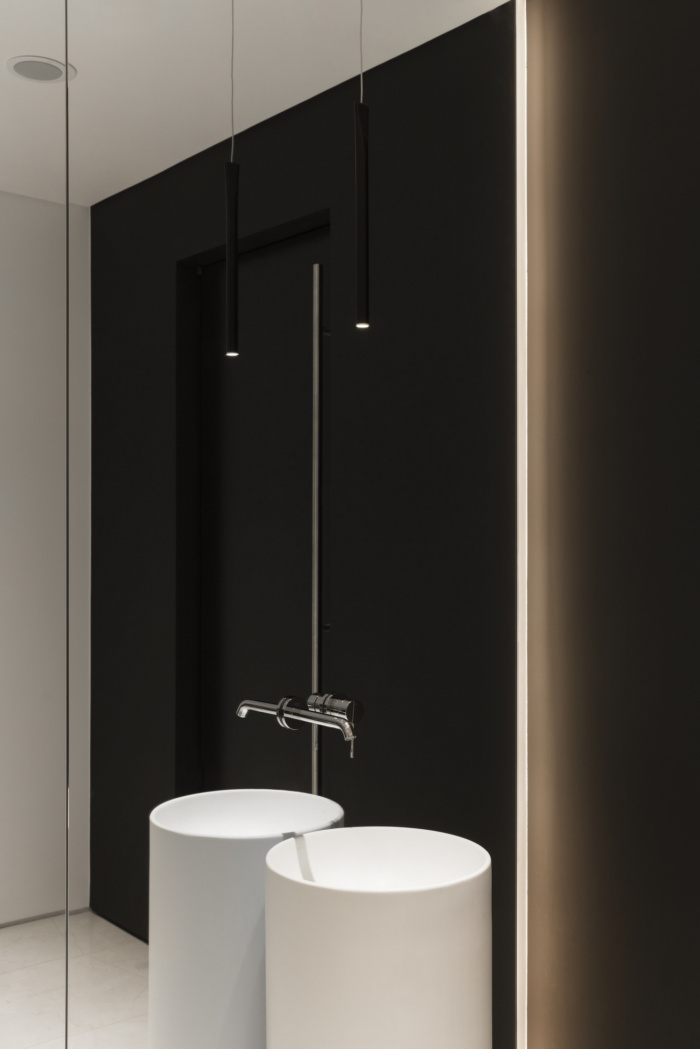
Even materials tell stories. Pine, often overlooked, is making a quiet comeback—not just for its sustainability, but for its pale grain that pairs beautifully with Manila’s tropical light. We use it for floating shelves in a San Juan loft or as a bed frame in a Taguig condo, always balancing it with matte black fixtures or local stone for contrast.
The Art of Subtle Drama
Great design doesn’t shout—it whispers with confidence. In 2026, we’re seeing a move toward “quiet luxury” infused with emotional texture. Oversized artwork above a bed? Yes—but it might be a textile piece by a local Cordillera weaver, not just a generic print. A sculptural lounge chair in a master suite? Absolutely—but upholstered in hablon fabric or bouclé that invites touch.
And color? Moody, earthy palettes dominate—think berde-kahel (green-ochre) walls that ground a space, paired with creamy gata-white bedding. These aren’t just trendy; they’re psychologically soothing, especially in a city as stimulating as Manila.
Why Local Expertise Matters
While global trends offer inspiration, true transformation happens when design understands local rhythm. Traffic in EDSA, humidity in summer, the importance of kapitbahayan—these realities shape how spaces must function. That’s why Design Interior Manila isn’t just a service—it’s a dialogue. We listen to how families gather, how entrepreneurs ideate, how creatives recharge.
Our process begins not with mood boards, but with questions: Ano’ng feeling ang gusto mong maranasan dito? (“What feeling do you want to experience here?”) From there, we craft spaces that aren’t just seen—but felt.
Final Thoughts: Design as an Act of Care
At its core, interior design is an act of care. It’s about honoring how people move through their days and creating environments that lift them up—whether through a sunlit reading nook in a Pasay apartment, a serene retail fitting room in Rockwell, or a collaborative hub in a Cebu-based startup’s Manila satellite office.
With over 20 years of shaping spaces across continents—and deep roots in the Philippines—we know that the most beautiful rooms are those that feel like home, even when they’re meant for work or commerce.
Because in the end, Design Interior Manila isn’t just about where you are.
It’s about how you feel when you’re there.
Ready to transform your space into a meaningful experience? Let’s create something beautiful—together.


