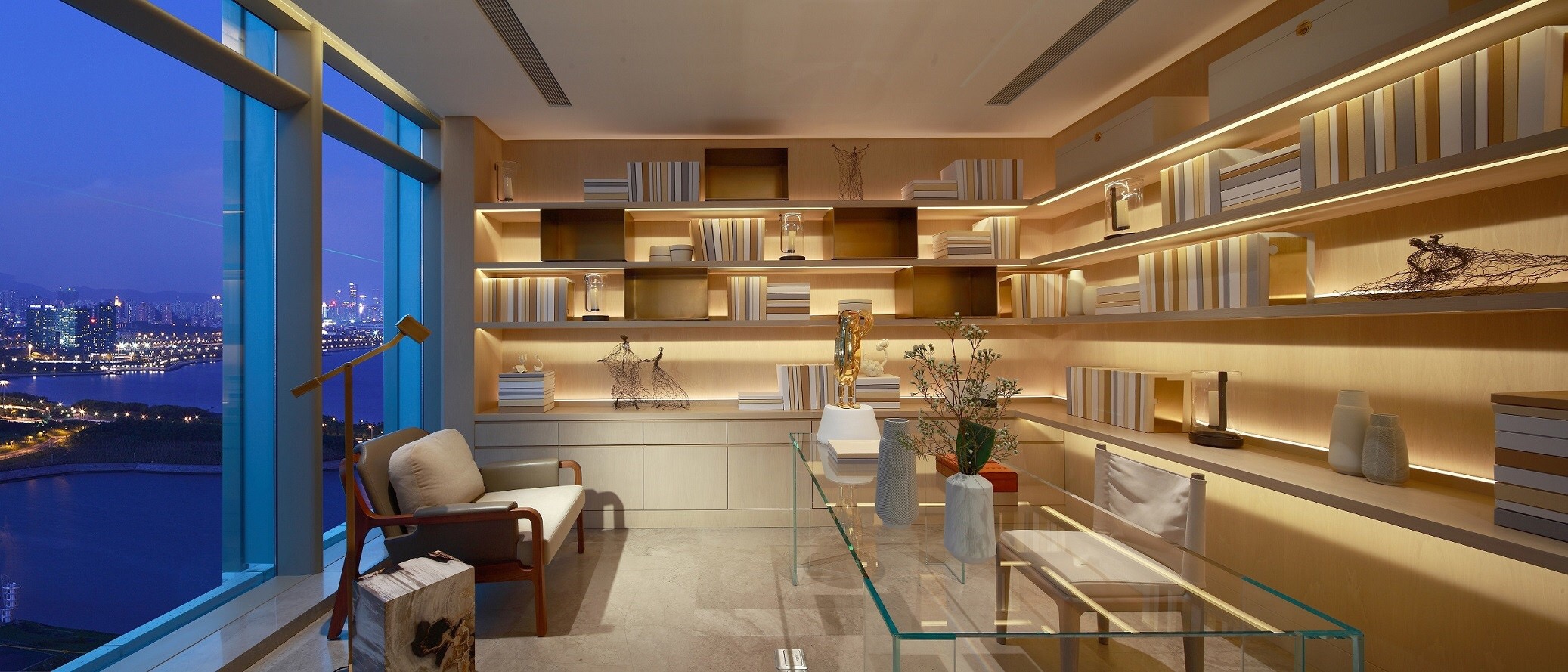
Manila Hotel Interior Design Company: Designing Hospitality That Performs in 2026
In today’s hospitality landscape, design is no longer a decorative layer—it is a strategic asset. For hotel owners, developers, and operators in Manila, interior design plays a direct role in guest satisfaction, brand positioning, operational efficiency, and long-term asset value. As a Manila Hotel Interior Design Company, our firm approaches hotel design as a holistic system where emotion, function, and business performance come together.
Looking toward 2026, hotels in Manila are responding to new traveler expectations, evolving tourism patterns, and competitive market dynamics. Guests are seeking more meaningful experiences, smoother journeys, and spaces that feel both local and globally relevant. Design is the bridge that makes this possible—hindi lang maganda, pero may silbi.
Why Hotel Interior Design Matters More Than Ever
Hotels today are evaluated not only by service, but by how spaces make people feel. Lobbies function as social hubs, restaurants double as brand showcases, and guest rooms must support rest, work, and digital connectivity. Strategic interior design directly influences dwell time, online reviews, repeat bookings, and operational flow.
In Manila’s fast-paced hospitality market, where international brands, boutique hotels, and mixed-use developments coexist, design has become a key differentiator. A professional Manila Hotel Interior Design Company understands that every square meter must contribute to guest experience and business outcomes—not just aesthetics.
Local Market Context: Manila’s Hospitality Environment
Manila’s hotel scene is shaped by its role as a regional gateway and business hub. Areas such as Makati, Taguig (BGC), and Pasay host a mix of business hotels, lifestyle properties, and luxury destinations. Each caters to different guest profiles—corporate travelers, tourists, long-stay guests, and event-driven visitors.
Cultural influences are equally important. Filipino hospitality is warm, personal, and service-oriented. Design must reflect this through welcoming spatial layouts, human-scaled proportions, and materials that feel authentic rather than generic. Climate considerations—heat, humidity, and heavy rainfall—also demand durable finishes, breathable spaces, and thoughtful lighting strategies to maintain comfort year-round.
Key Hotel Interior Design Trends for 2026
Smart Technology Integration
Hotels in 2026 will rely more heavily on smart systems—from digital check-in and keyless entry to integrated room controls and energy management. Design must seamlessly incorporate technology without overwhelming the guest experience. Smart design supports efficiency behind the scenes while keeping the front-of-house intuitive and calm.
Flexible Spatial Planning
Public areas are no longer single-purpose. Lobbies act as co-working zones by day and social lounges by night. Restaurants host breakfast, meetings, and evening dining. Flexible layouts allow operators to adapt to demand patterns and maximize revenue per space—isang disenyo, maraming fungsi.
Sustainable and Biophilic Strategies
Sustainability is becoming a standard expectation, not a luxury. Natural materials, indoor greenery, daylight optimization, and energy-conscious layouts support both environmental goals and guest wellbeing. Biophilic design also helps hotels feel more relaxing and memorable, especially in dense urban settings like Manila.
Data-Driven Design Decisions
Hotels increasingly use data to understand guest behavior—movement patterns, space usage, and preferences. These insights inform layout planning, furniture selection, and amenity placement. A forward-thinking Manila Hotel Interior Design Company translates data into design strategies that improve flow and reduce operational friction.
Experiential Brand Environments
Guests want to feel a sense of place. Design in 2026 emphasizes storytelling—using local textures, art, and spatial narratives to create memorable brand experiences. Hotels that reflect Manila’s energy, culture, and rhythm stand out in a crowded market.
Design Strategies for Hospitality Success
Effective hotel interior design begins with strategic space planning—mapping the guest journey from arrival to departure. Clear circulation, intuitive wayfinding, and efficient back-of-house planning reduce stress for both guests and staff.
Cultural localization is equally important. Design elements should subtly reflect Filipino identity without becoming thematic or superficial. Material selection must balance aesthetics with durability, considering high foot traffic and tropical conditions. Operational efficiency—storage, service routes, and maintenance access—is designed in from the start, not added later.
Business and Investment Benefits of Professional Hotel Design
Investing in professional hotel interior design delivers measurable returns:
-
Competitive differentiation in a saturated hospitality market
-
Stronger brand positioning and clearer guest perception
-
Higher guest satisfaction and loyalty, driving repeat stays
-
Improved operational efficiency, reducing long-term costs
-
Asset value growth, especially for investor-owned properties
This is why many developers partner with a Manila Hotel Interior Design Company that understands both creative vision and commercial realities.
Why Professional Design Expertise Matters
Hotel projects are complex ecosystems involving operators, consultants, contractors, and regulators. Professional design expertise ensures alignment from concept to completion—coordinating technical requirements, compliance, and scalability across multiple touchpoints.
Our firm operates with an integrated mindset, ensuring that design intent is preserved through execution. This reduces risk, controls budgets, and delivers spaces that perform as intended from day one.
Looking Ahead: The Future of Hotel Design in Manila
As Manila continues to grow as a business, leisure, and lifestyle destination, hotels will play a critical role in shaping the city’s image. By 2026, successful properties will be those that invest early in thoughtful, strategic interior design—spaces that support people, operations, and brand stories simultaneously.
For owners and developers planning new projects or renovations, partnering with a Manila Hotel Interior Design Company that combines global insight with deep local understanding is no longer optional—it is a strategic advantage. Sa huli, disenyo ang nagtatakda ng karanasan.
Connect with us in


