Interior Design in Manila: Commercial & Residential Innovation
Interior design in Manila is no longer about surface beauty or trend-following. It is a strategic discipline that responds to urban density, economic growth, climate realities, and the way people truly live, work, and socialise. As one of Southeast Asia’s most complex megacities, Manila demands design thinking that is contextual, analytical, and deeply human.
This article explores unique interior design ideas transforming both commercial and residential spaces in Manila, from hotels and offices to restaurants, homes, villas, and apartments. Written from the perspective of a design practitioner, it examines why design decisions matter, how spatial strategy impacts performance, and what makes interior design in Manila fundamentally different from other cities.
Understanding How Manila Lives, Works, and Experiences Space
Manila is defined by contrast and intensity. High-density business districts such as Makati CBD, Bonifacio Global City (BGC), and Ortigas coexist with older urban neighbourhoods and rapidly expanding residential corridors. The city’s economy is driven by BPOs, finance, real estate, hospitality, retail, and an increasingly design-aware middle and upper class.
Key realities shaping interior design in Manila include:
-
Vertical urban density with high-rise offices, condominiums, and mixed-use developments
-
Tropical climate marked by heat, humidity, and heavy rainfall
-
Highly social culture where food, family, and community play central roles
-
Strong aspiration toward global standards, balanced with local identity
-
Traffic and commute challenges, increasing the importance of quality interior environments
Interior design here must do more than look good. It must optimise comfort, efficiency, and wellbeing within limited footprints and demanding conditions. This is why engaging a Manila interior design company with true local intelligence is critical.
Designing Hotels that Reflect the Identity of Manila
Experiential Hospitality as Competitive Strategy
Manila’s hospitality sector is diverse—ranging from international luxury hotels in Makati and BGC to lifestyle hotels and serviced residences catering to business travellers and domestic tourism. Design has become a primary differentiator in an increasingly competitive market.
Successful hotel interior design in Manila focuses on:
-
Guest journey mapping from arrival to room experience
-
Climate-responsive interiors with breathable materials, shaded transitions, and glare control
-
Cultural storytelling, interpreted subtly through materials, textures, and spatial rhythm
-
Operational efficiency, ensuring staff circulation and service zones are optimised
Rather than copying global hotel templates, leading hotels interpret Manila’s layered identity—warmth, resilience, and hospitality—into contemporary spatial experiences.
High-Performance Workplace Design in Manila
Designing Offices for a Hybrid, Talent-Driven City
Manila’s workforce is young, mobile, and increasingly selective. Hybrid work has transformed expectations, especially in BPOs, tech firms, and multinational headquarters. Offices are no longer just places to work—they are tools for talent attraction and retention.
Effective office interior design in Manila prioritises:
-
Flexible spatial planning for hybrid teams
-
Wellbeing-focused environments with acoustic comfort, natural light, and breakout spaces
-
Productivity zoning, balancing collaboration and focus
-
Technology integration supporting virtual collaboration
-
ESG-aligned design, responding to corporate sustainability goals
In dense urban towers, every square metre must work harder. A strategic Manila interior design company understands how to translate business objectives into spatial performance.
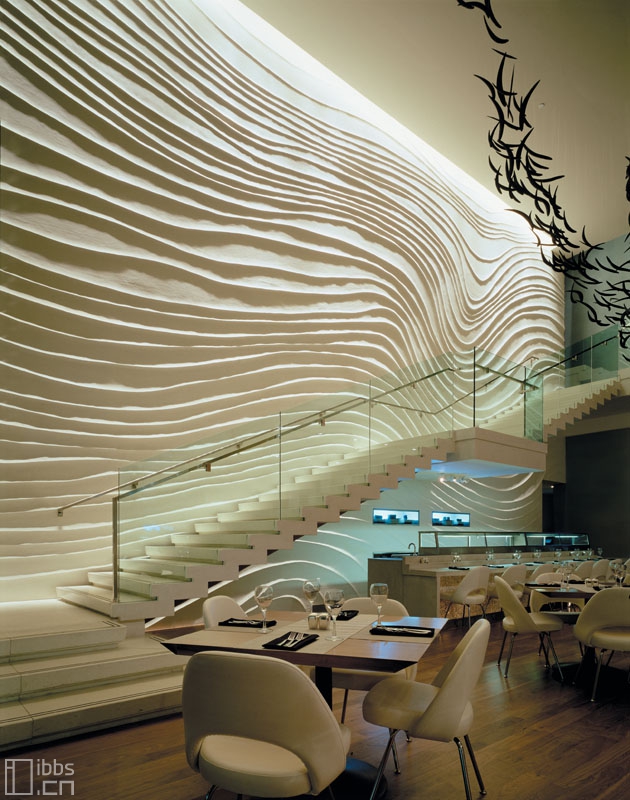
Creating Social Destinations Through Restaurant & Club House Design
Design as a Driver of Experience and Loyalty
Manila’s food and nightlife culture is vibrant, competitive, and experience-driven. Restaurants, cafés, and clubhouses are not just about menus—they are social destinations shaped by atmosphere and identity.
Key design considerations include:
-
Zoning and acoustics to manage noise and intimacy
-
Lighting strategy that evolves from day to night
-
Brand storytelling through space, not graphics alone
-
Material durability for high traffic and humidity
-
Instagrammability, without sacrificing comfort or flow
In premium developments and residential communities, clubhouse design has also become essential—supporting wellness, social connection, and property value.
Designing Homes that Respond to the Way Manila Lives
Apartments, Houses, Villas, and Bungalows
Residential interior design in Manila spans compact condominiums, townhouses, and larger villas in suburban enclaves. Each typology requires a different spatial logic.
Key residential design challenges include:
-
Space optimisation in high-rise apartments
-
Multi-generational living, common in Filipino households
-
Privacy versus openness, especially in dense neighbourhoods
-
Indoor–outdoor relationships for landed homes
-
Climate-responsive layouts to reduce heat and energy use
Modern residential interiors increasingly integrate smart home systems, flexible rooms, and calm, neutral palettes that counterbalance the city’s intensity—bahay na tahimik sa gitna ng lungsod.
Unique Interior Design Ideas We Implement
Design innovation in Manila must be grounded in reality. Some of the most effective ideas include:
Biophilic Integration
Green elements, natural textures, and daylight strategies help counter urban stress and improve wellbeing.
Adaptive Layouts
Spaces designed to evolve—offices that reconfigure, homes that adapt to life stages.
Layered Lighting Systems
Ambient, task, and accent lighting create comfort while managing energy efficiency.
Material Contrast Strategy
Combining local materials with refined finishes creates identity without excess.
Cultural–Modern Fusion
Subtle references to Filipino craft and warmth, expressed in contemporary form.
Technology-Enhanced Spaces
Smart controls, analytics-driven layouts, and integrated systems that support performance.
Each idea is applied strategically—not decoratively—based on function, climate, and user behaviour.
Why Interior Design in Manila Requires Local Intelligence
Designing in Manila demands more than creativity. It requires:
-
Regulatory and building code awareness
-
Climate and material knowledge
-
Understanding of property typologies
-
Commercial market insight
-
Supply chain and contractor coordination
A professional Manila interior design company operates at the intersection of design vision and execution reality—ensuring ideas are buildable, compliant, and durable.
Our Design Approach
Our firm follows a structured, research-driven process:
-
Urban & Site Analysis – Understanding context, users, and constraints
-
Concept & Spatial Strategy – Defining purpose before aesthetics
-
Visualisation & Detailing – Testing ideas through drawings and 3D
-
Technical Coordination – Aligning architecture, MEP, and interiors
-
Execution & Project Control – Translating design into reality
-
Styling & Handover – Ensuring spaces perform as intended
Every decision is intentional, measurable, and context-aware.
Transform Your Commercial or Residential Space in Manila
Interior design in Manila is a strategic investment—one that shapes experience, performance, and long-term value. Whether designing a hotel, office, restaurant, or home, success lies in understanding how the city works and how people live within it.
If you are exploring a new project or rethinking an existing space, engage a Manila interior design company that approaches design analytically, creatively, and with deep local intelligence.
Good design responds to the city. Great design belongs to it.
Connect with us in


