- 147
Manila Interior Hotel Design | Crafting Timeless Luxury Spaces
Why Timeless Luxury is Essential in Manila Hotel Design Hotel Interior Design Manila
In the vibrant heart of Southeast Asia, Manila stands as a dynamic hub of commerce, tourism, and culture. With its growing hospitality sector and a diverse mix of business, boutique, and luxury hotels, Manila interior hotel design must reflect both global standards and local flavors. As the capital city of the Philippines, Manila attracts a wide array of international and domestic travelers. From business professionals to tourists looking for cultural experiences, the demand for distinct, high-quality hotel environments has never been higher.Hotel Interior Design Manila
As a seasoned interior designer, I understand that crafting timeless luxury is more than just incorporating elegant finishes and opulent details. It’s about creating spaces that endure beyond fleeting trends—spaces that evoke a sense of timelessness and sophistication, ensuring they resonate with guests, year after year. This blend of design innovation and longevity is what defines luxury hotels that stand the test of time.
The Landscape of Manila’s Hotel Market
To successfully design for Manila, it’s essential to understand the city’s unique hospitality landscape. Manila serves as a key entry point for international travelers while also hosting a wide range of domestic visitors. The city’s tourism profile is diverse, from business travelers attending meetings in the Makati business district to leisure guests drawn to the cultural heritage in Intramuros or the bustling nightlife of Bonifacio Global City (BGC).
Manila’s hotel market is also highly segmented, with offerings ranging from functional business hotels to extravagant luxury resorts. As the city continues to grow as a top destination for international conferences and luxury tourism, the demand for distinctive, refined hotel interiors has soared. However, the competition is fierce, with numerous global brands vying for attention.
In a city with high competition and a rapidly evolving design scene, staying ahead requires more than just keeping up with trends. It’s about timeless luxury—the ability to craft spaces that feel both contemporary and everlasting.
What Makes Timeless Luxury So Important?
Timeless luxury in hotel design is not just about aesthetics; it’s about creating a lasting experience that feels as relevant decades from now as it does today. Here’s why it’s essential:
- Longevity: Timeless luxury design remains visually compelling and functional throughout the years. Rather than falling victim to temporary trends, these spaces incorporate elements that retain their beauty and relevance, ensuring the hotel’s investment in interior design lasts longer.
- Brand Value: Hotels with timeless interiors build a strong brand identity. The consistent aesthetic appeal of these spaces not only attracts guests but also elevates the hotel’s standing in the competitive market. This long-term value contributes to brand loyalty, repeat visits, and positive word-of-mouth.
- Guest Appeal: Whether for business or leisure, hotel guests in Manila are discerning. They seek elegance, comfort, and a sense of place. Timeless design ensures that the experience remains memorable and distinctive, catering to both local and international expectations.
Crafting Manila’s Timeless Luxury: A Step-by-Step Approach
At [Our Firm], our process is rooted in delivering timeless luxury through meticulous design, storytelling, and spatial planning. Here’s how we approach each project:
1. Concept Development & Brand Storytelling
For us, design begins with understanding the brand essence. Each hotel has a story, whether it’s rooted in the city’s cultural heritage or the specific experience it seeks to provide its guests. In Manila, this means weaving elements of Filipino culture—such as traditional materials like capiz shells or local textiles—into a modern, luxurious narrative. The aim is to craft a narrative that resonates emotionally with guests, establishing a connection from the moment they step inside.
2. Spatial Planning: Crafting Seamless Journeys
Designing spaces that are both functional and inspiring is crucial. A hotel’s spatial flow should guide guests effortlessly through various zones, from the welcoming lobby to the serene guest rooms and lively dining spaces. By applying principles of symmetry and proportion, we ensure that each area feels balanced and harmonious, which contributes to a sense of tranquility and timeless appeal.
3. Material Selection & Detailing
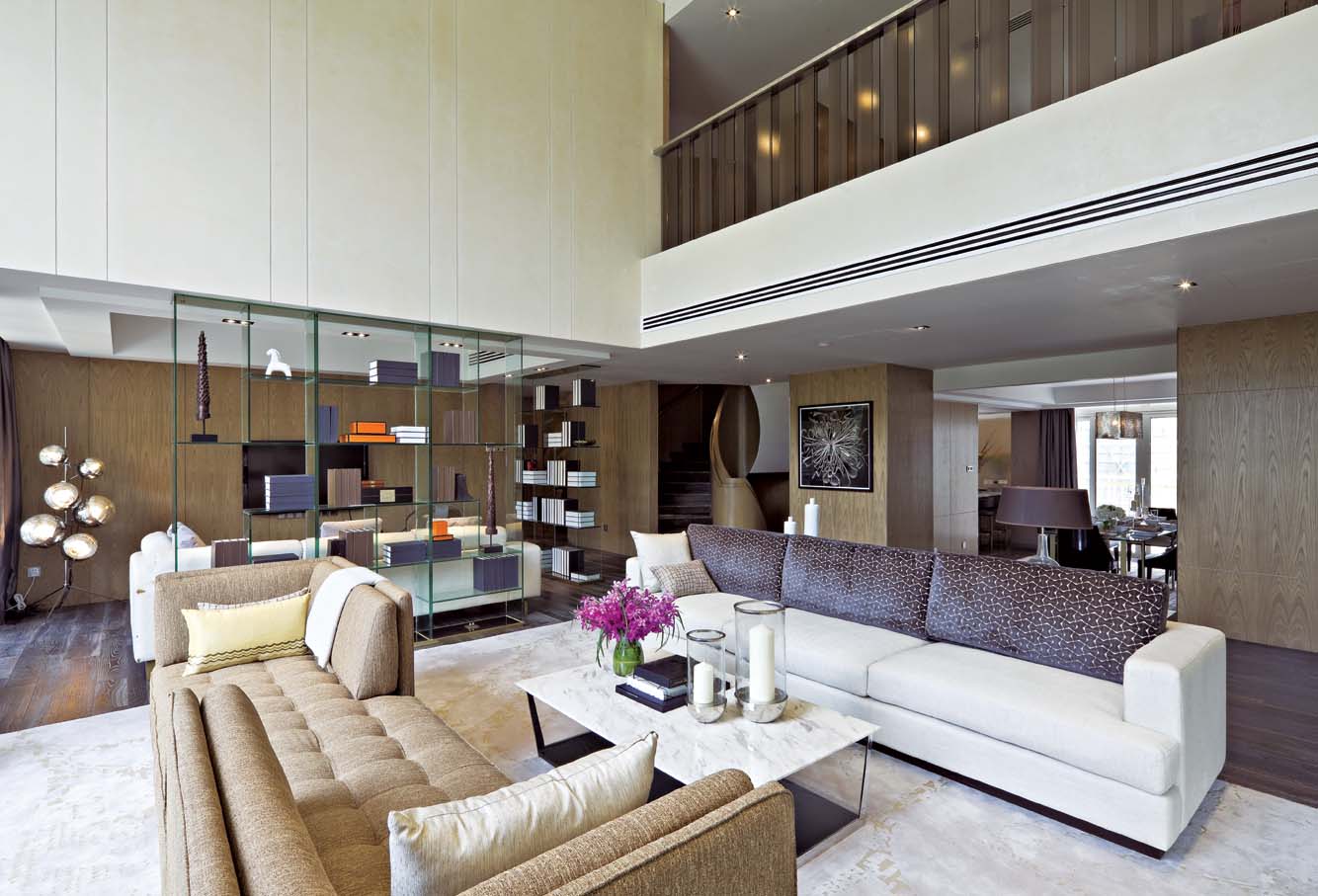
Timeless luxury is embodied through high-quality materials. In the Manila context, where the tropical climate plays a significant role, we focus on materials that can withstand the humidity while offering elegance. Natural stone, wood, and rich textiles like velvet or linen are carefully selected to create spaces that not only look beautiful but feel luxurious to the touch.
Balancing Global Standards and Local Context
A crucial aspect of designing for Manila is the balance between global expectations and local context. While international travelers expect the highest standards in terms of luxury and amenities, it’s important to tailor designs to reflect the city’s identity. Incorporating elements of Filipino culture, history, and natural beauty into the design helps create a sense of place, which guests deeply appreciate.
The city’s tropical climate also influences our design decisions. We take into consideration indoor-outdoor spaces, allowing guests to enjoy Manila’s beautiful weather while remaining comfortable indoors. Sustainability plays a key role here too, with eco-conscious design practices being integrated into every project—whether it’s through the use of local materials or energy-efficient systems.
Designing with Purpose: A Journey of Impact
Designing a hotel is more than just aesthetic appeal—it’s about delivering a functional, memorable experience that translates into measurable business outcomes. Hotels designed with timeless luxury tend to have:
- Increased occupancy rates: Guests are drawn to the elegance and lasting appeal of the design, leading to a higher demand for rooms.
- Premium pricing: The sophisticated atmosphere and attention to detail elevate the hotel’s position in the market, allowing for premium pricing.
- Stronger brand differentiation: A carefully curated design sets a hotel apart from its competitors, establishing a unique identity that guests return to time and time again.
- Reduced renovation costs: By avoiding the need for frequent redesigns, timeless hotels save on renovation expenses, maintaining relevance without constant updates.
Conclusion: Timeless Luxury for Manila’s Hospitality Future
As Manila continues to solidify its status as a global business and tourism hub, timeless luxury remains a key differentiator in the highly competitive hotel market. By prioritizing design excellence and incorporating cultural nuances, our firm helps deliver hotel interiors that not only captivate guests but also stand the test of time.
At [Our Firm], we’re committed to bringing your hotel’s vision to life—creating spaces that are as emotionally resonant as they are luxurious. Whether you’re developing a business hotel in Makati or a resort-style escape along Manila Bay, we specialize in delivering designs that are timeless, practical, and luxurious, ensuring your space remains memorable for years to come.
Connect with us in Hotel Interior Design Manila


