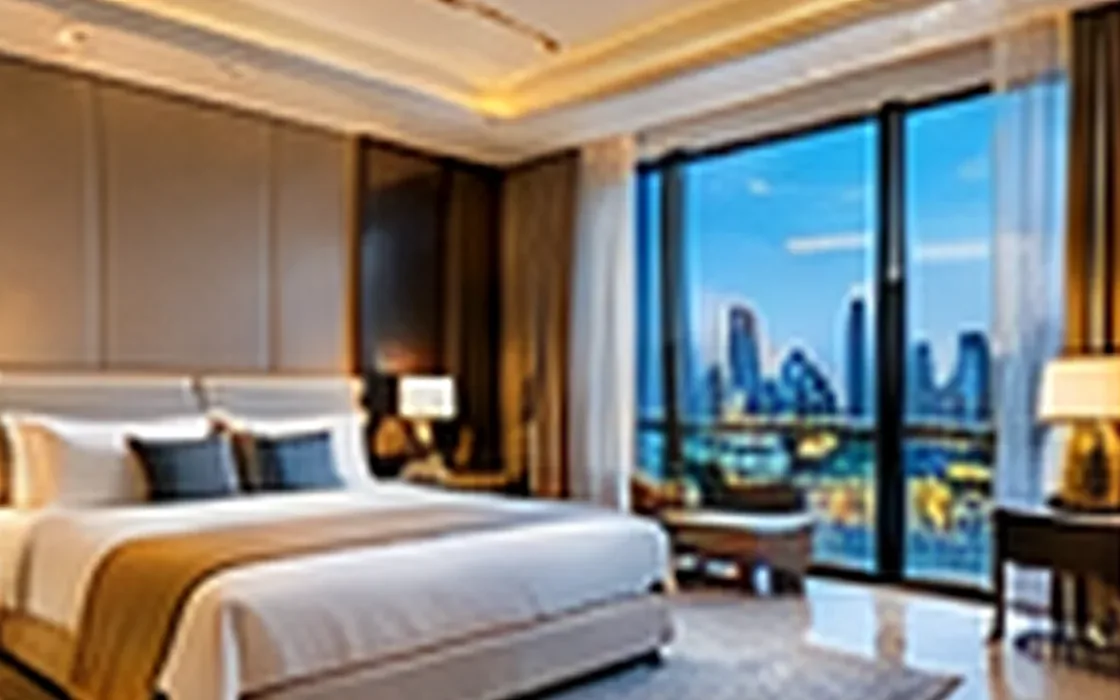
When evaluating a hotel interior design company in Manila, study guestroom ergonomics as carefully as the visual styling. A room can photograph beautifully and still disappoint if the lights are difficult to operate, street noise affects sleep or luggage has no convenient place. Guest satisfaction depends on many small interactions that become obvious only when someone spends a full night in the space.
Prioritize sleep, storage, controls, acoustics, lighting and maintenance in guestroom design. Start with a defined brief, written responsibilities and a realistic review process rather than choosing by appearance alone.
Build the plan around the guest sequence
Consider the first minutes after entering the room: where does a guest put a bag, hang a coat, charge a phone and find the bathroom? Provide clear circulation around the bed and accessible storage. Check door swings, safe movement at night and space for housekeeping equipment. The furniture plan should account for actual occupants and luggage, not just a styled photo shoot.
Treat the sleep environment as a system
Comfort involves the bed and bedding, but also acoustic separation, light control, temperature and the placement of mechanical equipment. Choose curtains that deliver the intended light control and fit around curtain tracks. Avoid placing bright indicators directly in the sleeping view. Coordinate room ventilation and sound transmission with the technical team and test representative rooms before opening.
Make lighting legible and flexible
Guests should not need to search through confusing switches to turn off the lights. Provide useful bedside control, reading light, general illumination and bathroom task light. Think carefully about mirror lighting and glare. Control placement should follow the furniture layout, and the final arrangement should be tested by someone unfamiliar with the room. Usability is more meaningful than the number of lighting scenes.
Make maintenance and cleaning predictable
Select floor, wall and bathroom finishes that tolerate frequent cleaning, and provide access to components likely to need service. Avoid tiny joints or fragile decorative edges where baggage will repeatedly strike them. Document product models and replacement sources. Operations staff should be able to repair typical wear without dismantling a bespoke installation or closing a guestroom longer than necessary.
A practical project scenario
A new guestroom concept puts stylish pendants too close to the bedside. During mock-up testing, users struggle with reading light and switch access, allowing a correction before multiple rooms are built.
How to apply this guidance
At the next project review, begin by asking the team to walk through arrival, sleeping and departure with luggage. Then make time to review acoustic separation and blackout performance. These are decisions that should be recorded in the brief or specification, not left as assumptions in a mood board. Before approving procurement or construction, test all switches with first-time users and choose replaceable parts and accessible maintenance details. Give one person responsibility for documenting the agreed outcome, note open questions and update the programme if a decision changes. This process lets the design remain creative while giving everyone a clear basis for implementation.
Client decision checklist
- Walk through arrival, sleeping and departure with luggage
- Review acoustic separation and blackout performance
- Test all switches with first-time users
- Choose replaceable parts and accessible maintenance details
Frequently asked questions
Is luxurious styling enough for a premium guestroom?
No. Sleep quality, lighting controls, acoustics, storage, bathroom usability and maintenance are equally important.
Why test a guestroom before opening?
A mock-up exposes small inconveniences and technical issues before they are repeated across many rooms.
Related design guides
 Hotel Interior Design Company in Manila: Building a Boutique Hotel Concept
 Hotel Interior Design Company in Manila: Designing the Arrival Experience
 Hotel Interior Design Company in Manila: Renovation Without Losing Guest Trust
 Restaurant Interior Design Company in Manila: Lighting and Acoustic Comfort