- 199
Manila Hotel Interior Design | Casual Elegance Hospitality Design for Boutique and Five-Star Hotels
Manila is a city of contrasts and energy. Skyscrapers rise beside Spanish-era landmarks, luxury shopping centers sit next to vibrant street markets, and modern hospitality brands coexist with heritage hotels. For travelers arriving in the Philippines, the capital city offers their first impression of the country’s warmth and culture.Hotel Interior Design Manila
In this dynamic tourism hub, Manila Hotel Interior Design plays a critical role in shaping memorable guest experiences. Visitors—from international business travelers to leisure tourists exploring the islands—expect hotels that combine comfort, sophistication, and a strong sense of place.
As hospitality designers who specialize in emotional, people-centric environments, our firm approaches hotel interiors not simply as spaces but as stories. Every lobby, restaurant, guest room, and lounge becomes part of a narrative—one that reflects Manila’s tropical climate, vibrant culture, and welcoming spirit often expressed in the phrase “Mabuhay!”
Understanding Manila’s Hospitality Landscape
Manila’s hospitality market is driven by several powerful forces.
Business travel remains strong, particularly around Makati Central Business District, where multinational companies, financial institutions, and corporate headquarters operate. Luxury hotels in this district cater to executives, conference guests, and global investors.
Meanwhile, lifestyle tourism continues to flourish in Bonifacio Global City, a vibrant neighborhood known for upscale dining, retail experiences, and boutique hotels. In the heritage area of Intramuros, travelers seek cultural immersion and historic charm.
The tropical climate also influences design thinking. Manila’s humidity, heavy rains, and warm temperatures encourage interiors that feel airy, relaxed, and comfortable—spaces that allow guests to unwind after exploring the bustling city.
These local realities shape how Manila Hotel Interior Design must respond: balancing international luxury standards with local character and climate responsiveness.
The Philosophy of Casual Elegance in Hospitality Design
In modern hospitality, luxury is no longer defined solely by opulence. Today’s travelers seek authenticity, comfort, and emotional connection.
This is where the design language of casual elegance becomes powerful.
Casual elegance blends refined materials and sophisticated spatial composition with relaxed atmospheres and human warmth. It creates environments that feel luxurious but not intimidating—beautiful yet welcoming.
For Manila hotels, this approach resonates strongly with Filipino hospitality culture, often described as “maalaga”—a spirit of caring and attentiveness.
Through thoughtful design, hotels can embody this cultural warmth while maintaining the sophistication expected from boutique and five-star destinations.
Designing the Lobby: The First Emotional Moment
The hotel lobby is the first chapter of the guest experience.
In Manila, successful lobby environments often combine dramatic visual impact with a sense of openness and comfort. High ceilings, natural stone surfaces, and warm wood finishes create an atmosphere that feels both luxurious and relaxed.
Instead of rigid reception desks, modern hotels often introduce lounge-style check-in areas where guests are welcomed with refreshments. This softer arrival experience immediately communicates hospitality and care.
Lighting also plays a vital role. Layered lighting—from sculptural chandeliers to subtle accent illumination—creates depth and drama while maintaining warmth.
When designed thoughtfully, the lobby becomes more than an entrance; it becomes a social hub where guests meet, relax, and begin their journey.
Guest Rooms: A Sanctuary Above the City
After a busy day exploring Manila or attending meetings, guests retreat to their rooms seeking calm and comfort.
Guest room design should feel like a private sanctuary.
Key strategies for Manila Hotel Interior Design include:
-
Soft, neutral color palettes inspired by sand, wood, and tropical landscapes
-
Large windows maximizing natural daylight and city views
-
Textured materials such as woven rattan, linen fabrics, and carved wood accents
-
Layered lighting that transitions from bright daytime work settings to relaxing evening ambiance
Bathrooms often adopt spa-like aesthetics with natural stone surfaces and warm lighting, transforming daily routines into relaxing rituals.
For boutique hotels especially, custom furniture and curated artwork add personality and authenticity to each room.
Restaurants and Bars: The Social Heart of the Hotel
Manila’s dining culture is vibrant and diverse. From modern Filipino cuisine to international gastronomy, food experiences are central to the hospitality journey.
Hotels therefore design restaurants and bars as lifestyle destinations—not just service amenities.
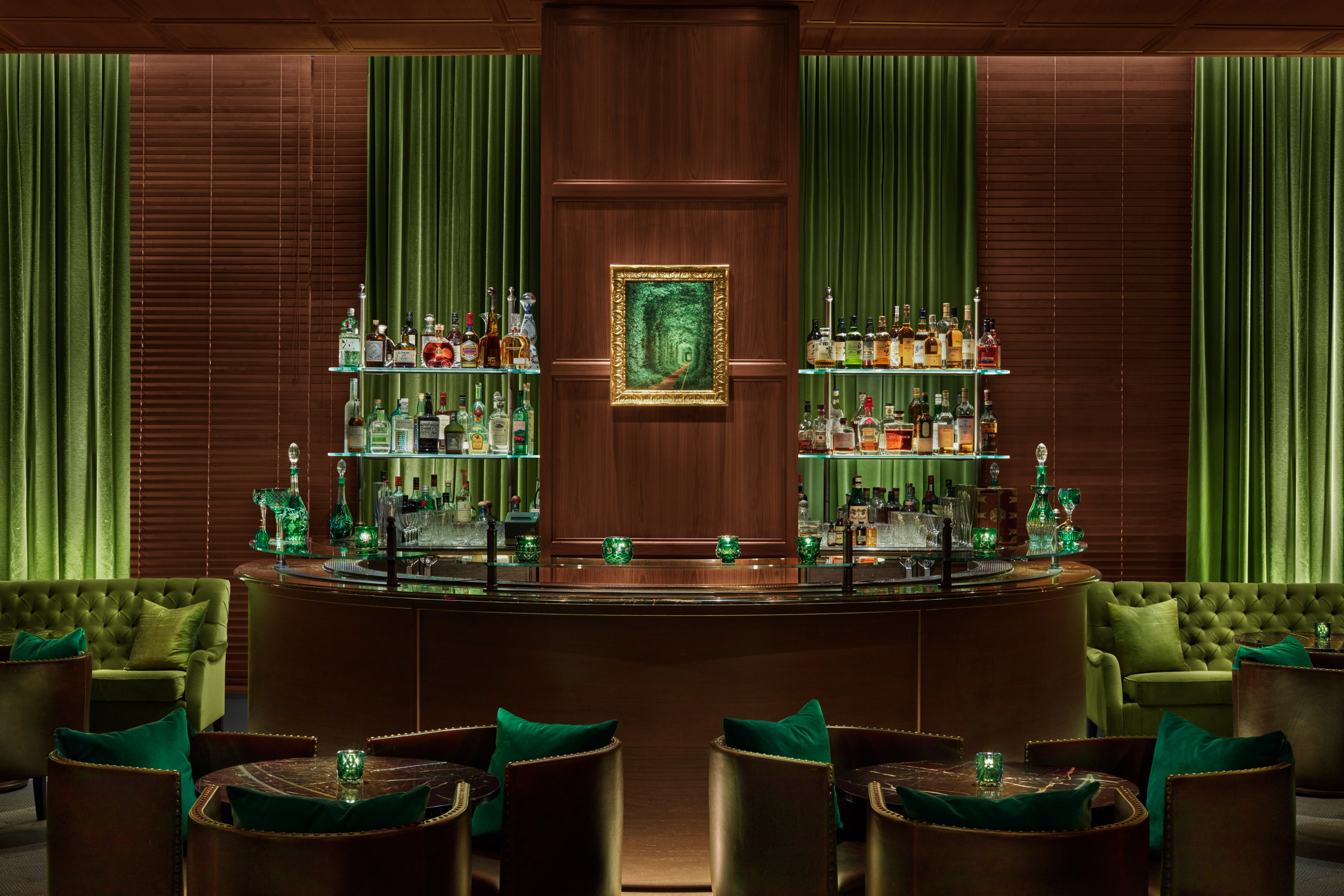
As a designer with restaurant and retail experience, I see F&B environments as stages for human connection. Open kitchens, sculptural bars, and layered seating arrangements invite guests to linger and interact.
Materials such as terrazzo, brass accents, and handcrafted tiles create visual richness while remaining durable for high traffic.
Lighting again becomes essential. Warm ambient lighting combined with focused highlights on tables and bars shapes the mood of evening dining.
In this way, hotel restaurants evolve into vibrant social spaces where locals and travelers gather together.
Lounge and Wellness Spaces: Designing Moments of Pause
Travel can be exhausting. Hotels that offer thoughtful spaces for rest and reflection stand out in competitive markets.
Lounge areas with comfortable seating, curated libraries, and quiet corners allow guests to relax between activities.
Wellness facilities—spas, fitness centers, and relaxation rooms—extend the idea of hospitality beyond accommodation.
In Manila, where urban energy is constant, these calming environments feel especially valuable. Natural materials, water features, and soft lighting create restorative atmospheres that contrast with the city outside.
These design strategies reinforce the emotional aspect of hospitality—spaces that care for the guest’s well-being.
Integrating Filipino Culture and Craftsmanship
Great hospitality design celebrates its location.
For Manila hotels, incorporating Filipino cultural elements adds authenticity and storytelling depth. Designers often draw inspiration from:
-
Indigenous weaving traditions such as banig patterns
-
Local hardwood materials
-
Filipino contemporary art and sculpture
-
Tropical botanical motifs
These elements bring subtle cultural richness to the interior environment without overwhelming the modern design language.
Guests leave not only with memories of luxury but also with a deeper appreciation of Filipino culture.
Functionality and Operational Intelligence
Behind the beauty of hospitality interiors lies complex operational planning.
Efficient guest circulation, durable materials, and maintenance-friendly design are essential to long-term performance.
Reception areas must manage arrival flows smoothly. Guest room layouts must support housekeeping efficiency. Restaurants must balance aesthetics with functional kitchen logistics.
Professional hotel interior design therefore requires close collaboration with architects, engineers, operators, and contractors.
Our firm coordinates these elements from concept development through construction, ensuring every design vision translates into a practical, operationally successful hotel environment.
Creating Memorable Destinations Through Design
In a competitive tourism market like Manila, hotels must offer more than accommodation—they must create destinations.
Thoughtful Manila Hotel Interior Design transforms buildings into emotional experiences. Guests remember how a space made them feel: the warmth of the lobby lighting, the comfort of their room, the lively atmosphere of a rooftop bar overlooking the skyline.
These sensory memories become powerful drivers of brand loyalty and positive guest reviews.
Crafting the Future of Hospitality in Manila
Manila’s hospitality sector continues to grow alongside the city’s economic expansion and tourism appeal. Boutique hotels, lifestyle properties, and luxury international brands all seek distinctive identities in this vibrant market.
Through thoughtful spatial storytelling, refined materials, and deep cultural sensitivity, Manila Hotel Interior Design can shape hotels that embody casual elegance—places where comfort, authenticity, and luxury coexist beautifully.
Our firm believes hospitality design should always begin with people. When spaces are crafted with empathy, creativity, and precision, they become more than buildings—they become memorable experiences.
And in the Philippines, where every welcome begins with a smile and the word “Mabuhay,” that human warmth is the true essence of great hospitality.
Connect with us in


