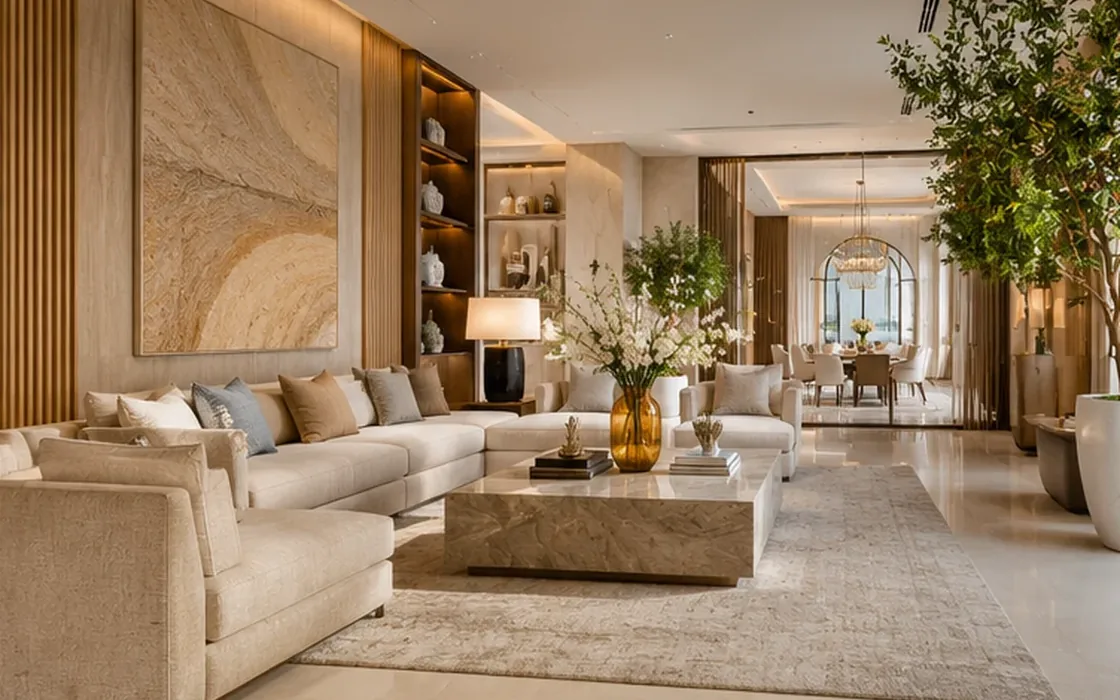
The challenge of design interior in Manila is often not obtaining daylight but controlling it. Sunlight can improve visual comfort and the character of a room, yet an unshaded glass façade may create glare on screens and unwanted heat. Good interiors consider window orientation, working positions, shading and artificial lighting as one coordinated system.
Use natural light more effectively without creating uncomfortable afternoon glare or unnecessary cooling loads. Start with a defined brief, written responsibilities and a realistic review process rather than choosing by appearance alone.
Observe the actual exposure
A room facing strong afternoon sun behaves differently from one receiving mostly diffuse light. Visit or study the property at several times of day, especially when the intended space will be occupied. Note reflections on televisions and computer screens, and whether people naturally avoid certain chairs. This evidence is more useful than choosing blinds from an image alone.
Choose window treatments by purpose
Sheer curtains can soften views but do not always provide sufficient glare or heat control. Roller shades, lined drapery, films and external shading each have different strengths and building restrictions. Review privacy, cleanability, air-conditioning loads and access to windows. In high-rise residential towers, exterior modifications may not be permitted, so interior solutions must work within management guidelines.
Arrange furniture to reduce conflict with light
Move work surfaces so windows do not sit directly behind critical screens or in the user’s line of sight. Provide local task lighting where daylight fluctuates. A beautifully backlit workstation may look cinematic in a photograph but fail during long video calls. Consider adjustable seating positions and dimmable lighting rather than fixing every activity in one orientation.
Coordinate lighting with material reflectance
High-gloss stone, polished metal and mirrored panels can bounce light into uncomfortable directions. Use finishes with suitable reflectance in areas with strong daylight. Combine general illumination with task and accent layers so the room remains usable when blinds are closed. Where the project is substantial, a lighting professional can help review distribution, controls and energy use.
A practical project scenario
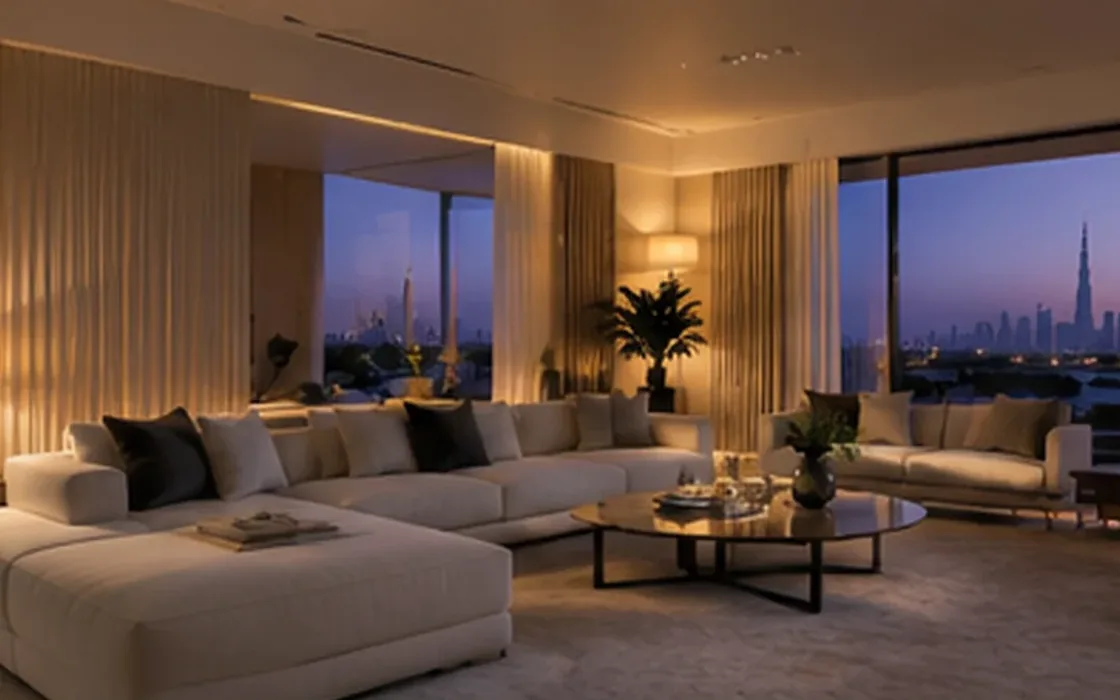
A west-facing living room has beautiful afternoon views but makes video calls difficult. The project tests task positioning, glare control and layered lighting before choosing curtains.
How to apply this guidance
At the next project review, begin by asking the team to check sun exposure at actual use hours. Then make time to choose shades for glare, privacy and maintenance. These are decisions that should be recorded in the brief or specification, not left as assumptions in a mood board. Before approving procurement or construction, test screen positions and reflective finishes and coordinate daylight control with artificial lighting. Give one person responsibility for documenting the agreed outcome, note open questions and update the programme if a decision changes. This process lets the design remain creative while giving everyone a clear basis for implementation.
Client decision checklist
- Check sun exposure at actual use hours
- Choose shades for glare, privacy and maintenance
- Test screen positions and reflective finishes
- Coordinate daylight control with artificial lighting
Frequently asked questions
Are sheer curtains enough for west-facing Manila rooms?
They may soften brightness, but additional shading or lining can be necessary depending on exposure and activity.
Does brighter daylight always mean a better interior?
No. Comfortable daylight balances useful illumination with glare, heat, contrast and privacy.