Design interior in Manila can take inspiration from the Philippines without reproducing a historical room literally. A thoughtful contemporary approach starts with the way people gather, materials that suit the climate and a respect for craft. Filipino-modern design can feel warm and recognizable while remaining adaptable to a condo, workplace, hotel or family residence.
Bring local craftsmanship, natural textures and contemporary restraint together without turning culture into decoration. Start with a defined brief, written responsibilities and a realistic review process rather than choosing by appearance alone.
Start with the experience, not a motif
Consider the importance of hospitality, family meals, informal conversation and space for visitors. These patterns can shape generous seating, flexible dining and comfortable transitional areas. Decorative references become meaningful when they respond to a lived routine. A single woven accent cannot make an uncomfortable space culturally responsive, while a thoughtful layout can do much more.
Use texture and material with purpose
Timber, rattan-like weaving, natural fibers and locally sourced craft can add tactile richness when used in suitable applications. Verify source, treatment, durability and the cleaning requirements of each product. Some natural materials need extra protection in humid locations or may be inappropriate near moisture and heavy wear. Mix craftsmanship with robust, repairable details rather than relying on a fully themed interior.
Control contrast, proportion and light
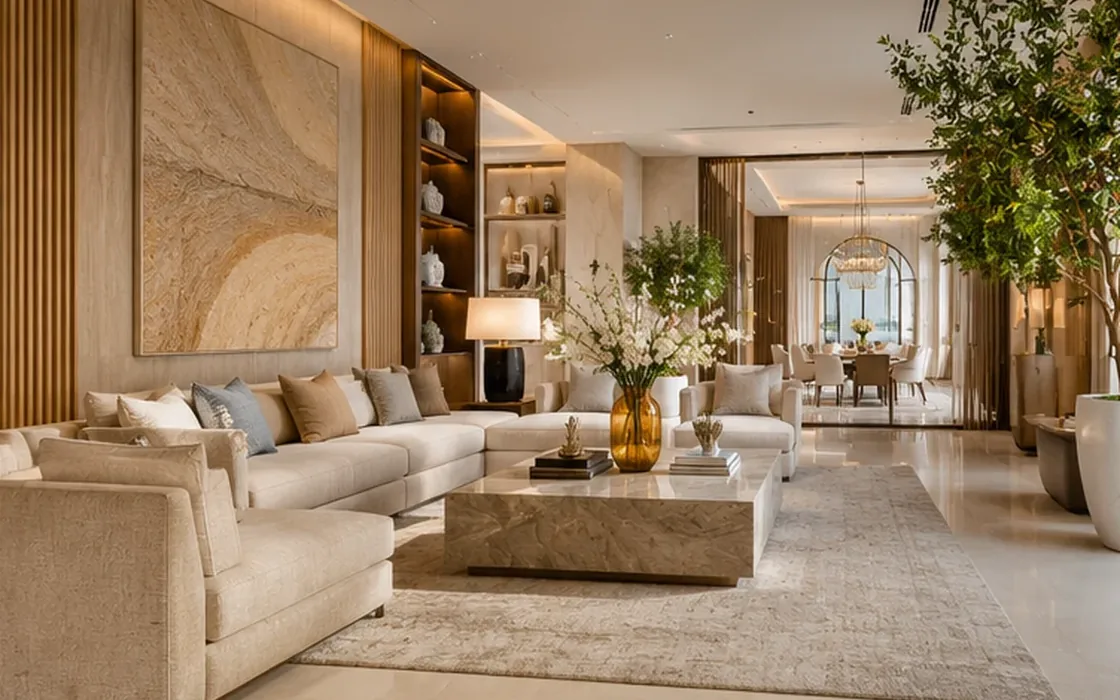
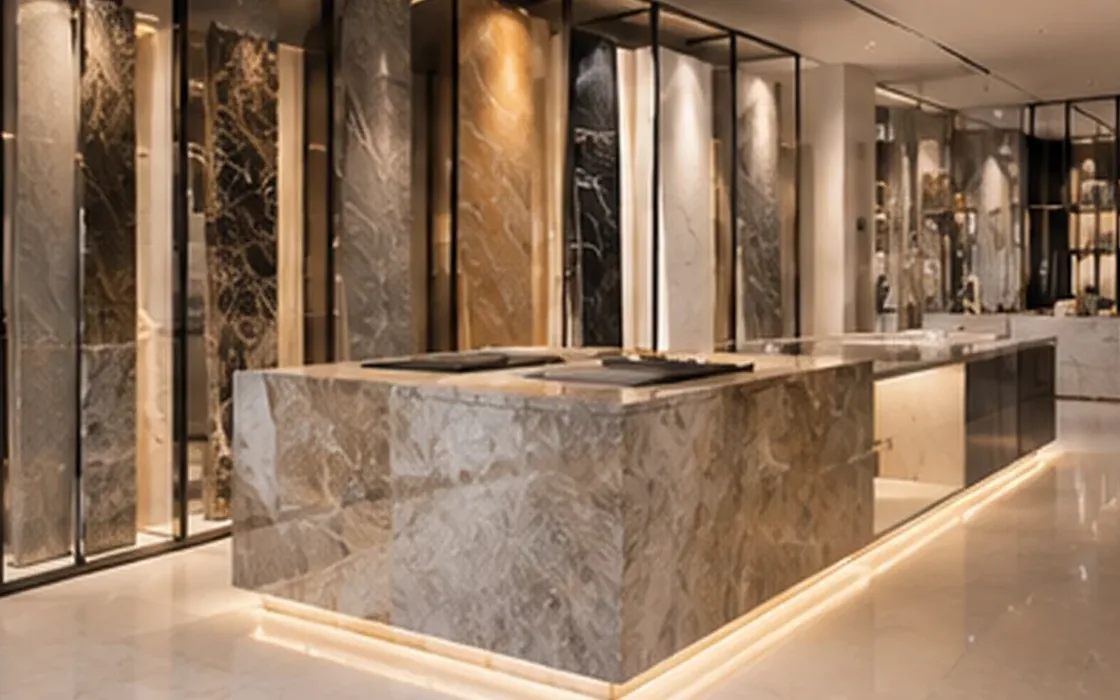
A balanced palette might pair warm wood with light stone, off-white walls and restrained metal accents. Vary textures instead of adding many competing colors. Lighting should reveal materials naturally while offering comfortable settings for work, meals and evenings. Sample finishes in the actual room because artificial showroom lighting can change their perceived tone.
Make authenticity visible through makers and processes
Where practical, work with suppliers and artisans who can explain how an item was made, what it contains and how it can be repaired. Give commissioned pieces space to be appreciated, rather than treating them as anonymous accessories. Document custom dimensions and finishes so replacements can be fabricated later. Good cultural design combines personal meaning, competent construction and everyday usability.
A practical project scenario
A café wants a Filipino character without a thematic interior. The team focuses on warm service, honest craft, comfortable furniture and a restrained material palette, then selects a few pieces with traceable makers.
How to apply this guidance
At the next project review, begin by asking the team to discuss household or brand rituals before selecting motifs. Then make time to verify materials and finishes for humidity and maintenance. These are decisions that should be recorded in the brief or specification, not left as assumptions in a mood board. Before approving procurement or construction, use proportion and lighting to keep the palette calm and seek traceable craft and repairable furniture details. Give one person responsibility for documenting the agreed outcome, note open questions and update the programme if a decision changes. This process lets the design remain creative while giving everyone a clear basis for implementation.
Client decision checklist
- Discuss household or brand rituals before selecting motifs
- Verify materials and finishes for humidity and maintenance
- Use proportion and lighting to keep the palette calm
- Seek traceable craft and repairable furniture details
Frequently asked questions
Does Filipino-modern design have one fixed look?
No. It can combine contemporary forms with locally meaningful materials, craftsmanship and social patterns in many ways.
Can natural weaving be used in commercial interiors?
Yes, in suitable locations when fire, durability, cleaning and any applicable building requirements are evaluated.