A Manila interior design company should make the process understandable before drawing the first line. Clients need to know what will be approved, what can still change and which decisions affect the completion date. A transparent roadmap helps connect aspirations—comfort, visual identity, better operations—to measured layouts, coordinated specifications and a usable finished space.
Follow the key project phases and decisions required for a well-managed interior transformation in Metro Manila. Start with a defined brief, written responsibilities and a realistic review process rather than choosing by appearance alone.
Discovery begins with people and constraints
Good discovery records who uses the space, their routines, capacity, security needs and operating hours. It should also capture existing conditions, dimensions, building rules and the client’s investment range. Office teams may need meeting-frequency data; families may need storage and privacy discussions. A written brief becomes the reference point for deciding whether a design choice is genuinely useful.
Design development narrows uncertainty
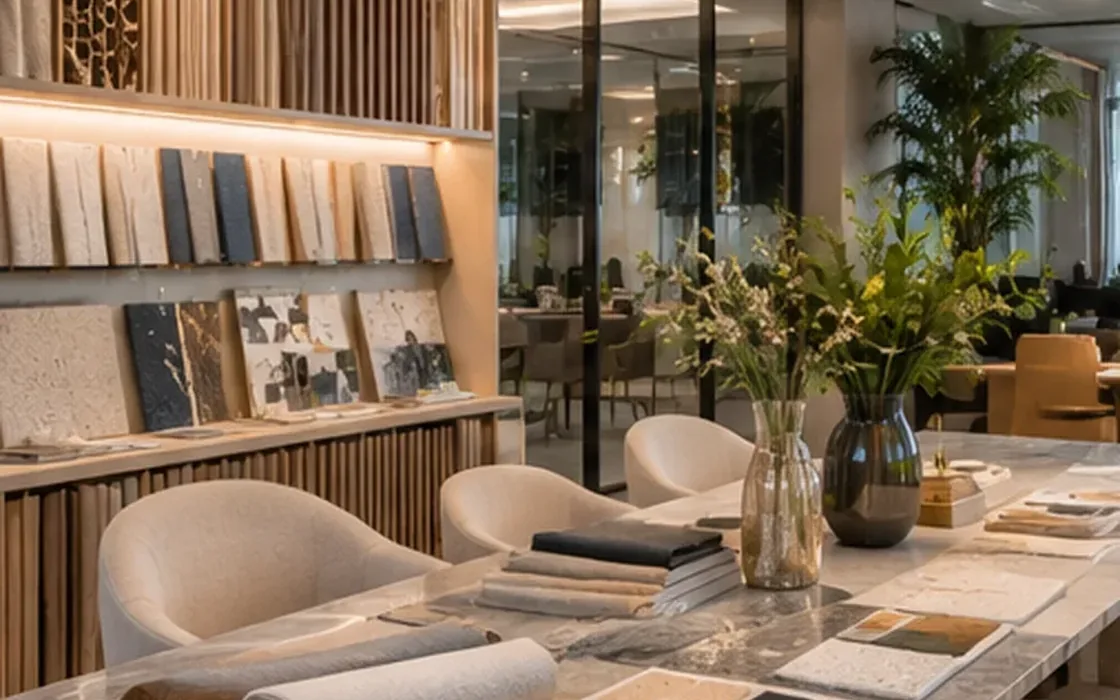
Early layouts test relationships among rooms, circulation and fixed equipment. Design development then chooses the lighting strategy, surfaces, joinery, hardware and furniture dimensions. Ask for a decision register so that unresolved items are visible. An inspirational image should not be mistaken for a final specification; finishes should be sampled under the actual light conditions where possible.
Documentation and procurement must move together
Contractors need coordinated information; suppliers need confirmed dimensions and order dates. Before releasing procurement, check lead times, alternatives, building access and installation constraints. In high-rise developments, delivery reservations and loading areas may matter as much as the furniture itself. Maintain a single revision reference so installers do not work from superseded plans.
Handover is a process, not a photo opportunity
Walk through each space with an inspection list covering drawers, door clearances, lighting controls, ventilation grilles, paint finishes and cleaning accessibility. Track incomplete work by owner and due date. Capture equipment manuals and maintenance guidance, and explain to the occupants how the space was intended to function. The project is successful when people can use it reliably after the design team leaves.
A practical project scenario
An owner asks for an early opening date. Mapping dependencies reveals that custom joinery and building approval are on the critical path, so the schedule changes before costly orders are placed.
How to apply this guidance
At the next project review, begin by asking the team to approve a documented brief and existing-conditions survey. Then make time to use dated drawings and a written decision register. These are decisions that should be recorded in the brief or specification, not left as assumptions in a mood board. Before approving procurement or construction, tie material orders to confirmed site dimensions and close out defects, warranties and maintenance instructions. Give one person responsibility for documenting the agreed outcome, note open questions and update the programme if a decision changes. This process lets the design remain creative while giving everyone a clear basis for implementation.
Client decision checklist
- Approve a documented brief and existing-conditions survey
- Use dated drawings and a written decision register
- Tie material orders to confirmed site dimensions
- Close out defects, warranties and maintenance instructions
Frequently asked questions
How many design stages should a Manila project have?
Most projects benefit from briefing, concept, development, documentation, implementation and handover, although contracts may group stages differently.
When should furniture be ordered?
After relevant dimensions and finishes are approved, with enough lead time for production, delivery and site access.