- 153
Interior Design Manila: Workplace, Hospitality & Retail Specialists
Manila is a city of constant movement—where business, culture, and lifestyle intersect in dynamic ways. From the corporate towers of Makati CBD and Bonifacio Global City (BGC) to the lifestyle-driven hubs of Ortigas and Pasay, the capital continues to evolve as a multi-sector commercial powerhouse.
With strong growth in BPO, finance, tourism, and retail, Manila’s urban fabric reflects a rising demand for spaces that are not only functional but also experiential and emotionally engaging. Malls remain central to Filipino life—parang second home (like a second home)—while hospitality and workplace environments are rapidly transforming to meet global standards.
In this vibrant context, interior Design Manila is no longer about isolated projects. It requires a holistic, multi-sector approach, where workplace, hospitality, and retail design converge to create cohesive, high-performing environments. At our firm, we see each project as an opportunity to shape how people work, connect, and experience space.
Understanding Manila’s Commercial & Lifestyle Landscape
To design effectively in Manila, one must understand its unique urban DNA:
- Business Growth: Driven by BPOs, multinational corporations, and entrepreneurial startups
- Commercial Development: Rapid expansion of mixed-use developments integrating offices, retail, and hotels
- Tourism & Hospitality: Increasing demand for lifestyle hotels and experiential destinations
- Retail Ecosystem: Mall-centric culture with a shift toward immersive and experiential retail
- Work Culture: Collaborative, relationship-driven—bayanihan spirit (community collaboration) is deeply embedded
These dynamics demand design solutions that are flexible, culturally attuned, and future-ready.
A Multi-Sector Approach to Interior Design
Designing across multiple sectors requires a strategic and adaptable mindset. Each environment serves a different purpose, yet all must deliver meaningful human experiences.
Workplace Design: Productivity Meets Wellbeing
Modern offices in Manila are evolving into people-centric ecosystems that support both performance and comfort.
Key strategies include:
- Activity-Based Working (ABW): Flexible zones for collaboration, focus, and social interaction
- Wellness Integration: Natural light, greenery, and ergonomic design
- Flexible Layouts: Supporting hybrid work and future growth
In a fast-paced business environment, offices must feel energizing yet balanced—trabaho pero may ginhawa (work with ease).
Hospitality Design: Crafting Memorable Experiences
Hospitality spaces are about emotion, storytelling, and connection. Whether it’s a boutique hotel in BGC or a resort-inspired staycation hub in Pasay, design must:
- Create a strong sense of arrival and identity
- Reflect local culture while maintaining global appeal
- Balance aesthetics with operational efficiency
In Manila, where warmth and hospitality are natural, spaces must feel welcoming, immersive, and authentic—parang bahay pero mas espesyal (like home, but elevated).
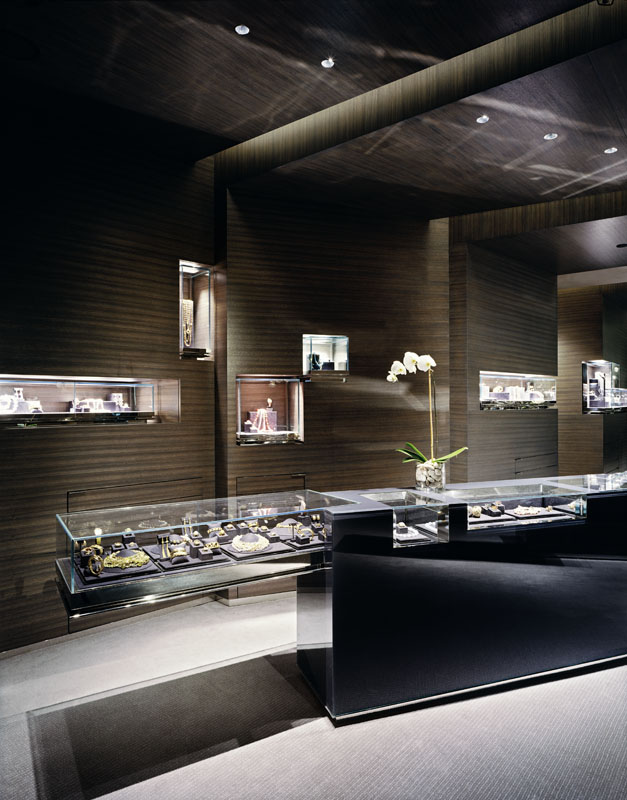
Retail Design: Experience Drives Engagement
Retail in Manila is no longer just transactional—it is experiential.
Effective retail design focuses on:
- Customer Journey Mapping: Guiding movement and interaction
- Visual Merchandising: Creating compelling focal points
- Interactive Spaces: Encouraging engagement and dwell time
From flagship stores in Greenbelt to lifestyle concepts in SM Aura, design must capture attention and inspire connection—nakaka-engganyo at memorable.
Cross-Sector Innovation: Designing Without Boundaries
One of the greatest strengths of a multi-sector design approach is the ability to cross-pollinate ideas:
- Bringing hospitality warmth into workplace environments
- Applying retail storytelling to office and commercial spaces
- Integrating brand-driven design across all sectors
This approach creates spaces that are layered, dynamic, and emotionally engaging, ensuring they resonate with users on multiple levels.
The Design Process: From Vision to Reality
At our firm, every project follows a comprehensive, strategic process:
- Concept Development & Strategy
Understanding brand identity, user needs, and business goals - Spatial Design & Planning
Creating efficient layouts with intuitive flow and zoning - Material & Sensory Curation
Selecting finishes that enhance tactile and visual experience - Visualization & Technical Documentation
Translating ideas into buildable, precise solutions - Construction Coordination & Delivery
Ensuring seamless execution from design to completion
Each stage is carefully managed to deliver spaces that are both beautiful and high-performing.
Key Elements That Shape Great Spaces
Across workplace, hospitality, and retail, certain design principles remain essential:
- Spatial Flow: Ensuring intuitive movement and usability
- Lighting Strategy: Enhancing mood, function, and visual comfort
- Material Selection: Balancing durability with aesthetic appeal
- Acoustic Comfort: Supporting focus and relaxation
- Ergonomic Planning: Prioritizing human comfort
- Technology Integration: Enabling smart, connected environments
Together, these elements create spaces that are functional, engaging, and future-ready.
Designing with Local Identity in Mind
Localization is key to successful interior Design Manila. Every project must reflect the culture, climate, and lifestyle of the city.
This includes:
- Incorporating local materials and craftsmanship
- Responding to tropical climate conditions
- Reflecting Filipino values of community and hospitality
By grounding design in local context, spaces become more authentic and meaningful—may puso at may kwento (with heart and story).
Design That Delivers Business Impact
Thoughtful design goes beyond aesthetics—it drives real results:
- Stronger Brand Positioning: Spaces that communicate identity and values
- Enhanced User Experience: Environments people enjoy and remember
- Increased Engagement: Encouraging interaction and connection
- Optimized Performance: Efficient layouts that support operations
- Long-Term Value: Durable, adaptable, and sustainable solutions
In Manila’s competitive landscape, design becomes a strategic advantage.
Connect with us in


