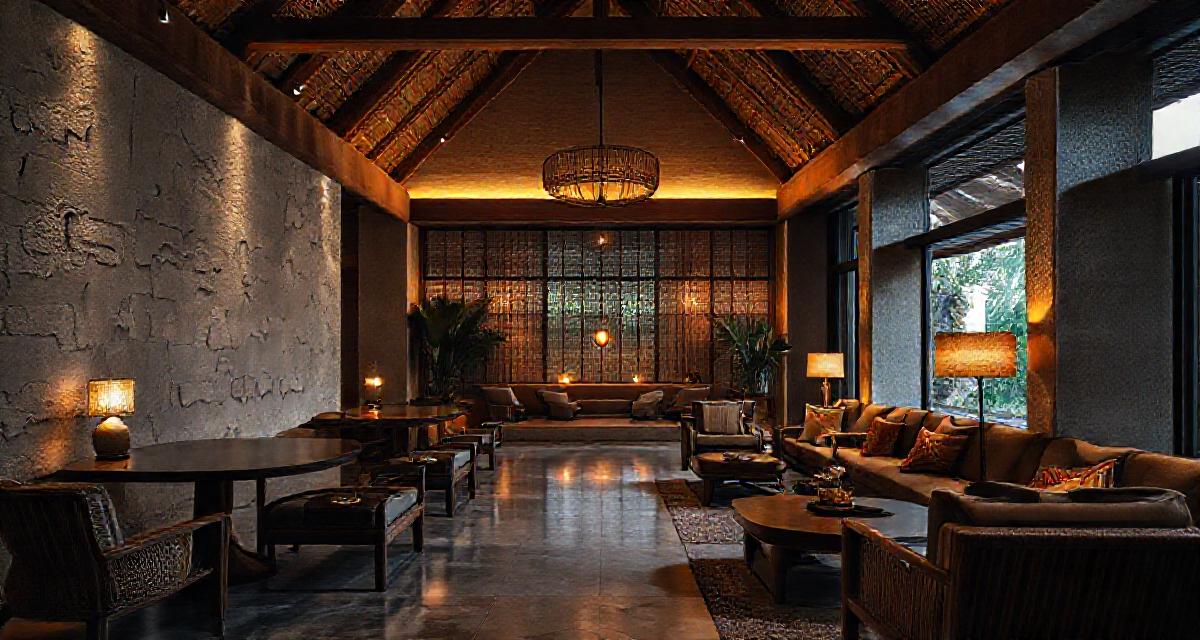
Residential Interior Design Manila: Elevate Your Living Space
Residential interior design Manila is more than just arranging furniture; it’s about creating a home that reflects your personality and enhances your lifestyle. In a bustling city like Manila, where space is precious and aesthetics matter, professional interior design can transform your house into a functional and beautiful sanctuary. Whether you’re renovating a condominium in Makati or designing a family home in Quezon City, expert designers can help you maximize every square foot while infusing style and comfort.
With the rise of urbanization, Manila residents are increasingly seeking personalized living spaces that cater to their unique needs. From modern minimalist apartments to classic Filipino homes, the demand for tailored design solutions is growing. Therefore, hiring a professional interior designer is a smart investment that adds value to your property and improves your daily life.
Why Hire a Residential Interior Designer in Manila?
Hiring a residential interior designer in Manila offers numerous benefits. First, designers bring expertise in space planning, ensuring that your home flows naturally and functions efficiently. Second, they have access to a network of suppliers and artisans, allowing you to source high-quality materials and custom pieces at competitive prices. Moreover, designers stay updated on the latest trends and techniques, ensuring your home is both stylish and timeless.
Furthermore, a professional designer can save you time and reduce stress by managing the entire project from concept to completion. They handle everything from color schemes and lighting to furniture selection and installation, so you can relax and watch your dream home come to life. In a city as dynamic as Manila, having a trusted design partner is invaluable.
Key Elements of Residential Interior Design in Manila
Successful residential interior design in Manila requires a deep understanding of local living conditions and climate. Here are some key elements that designers consider:
- Space Optimization: Given the limited space in many Manila homes, designers focus on multifunctional furniture and clever storage solutions.
- Climate Adaptation: The tropical climate calls for materials that resist humidity and promote ventilation, such as bamboo, rattan, and treated wood.
- Cultural Relevance: Incorporating Filipino craftsmanship and local art adds a sense of identity and warmth to the home.
- Natural Light: Maximizing natural light reduces energy costs and creates a brighter, more inviting atmosphere.
- Durability: High-traffic areas require durable finishes and fabrics that can withstand daily wear and tear.
By addressing these factors, designers create homes that are not only beautiful but also practical and resilient.
Popular Design Styles in Manila
Manila’s design scene is diverse, reflecting its rich history and modern influences. Some popular styles include:
- Modern Minimalist: Clean lines, neutral palettes, and uncluttered spaces.
- Tropical Contemporary: A blend of modern design with natural materials and lush greenery.
- Classic Filipino: Traditional elements like capiz shell windows, woven textiles, and antique furniture.
- Industrial Chic: Exposed concrete, metal accents, and raw finishes.
- Scandinavian: Functional, simple, and cozy with a focus on light and airy spaces.
Whatever your preference, a residential interior designer in Manila can tailor these styles to suit your taste and budget.
The Residential Interior Design Process
Understanding the design process helps you know what to expect when working with a professional. Here’s a typical workflow:
- Initial Consultation: Discuss your vision, needs, and budget with the designer.
- Site Assessment: The designer evaluates your space, taking measurements and noting architectural features.
- Concept Development: The designer presents mood boards, color palettes, and layout options.
- Design Development: Detailed plans, 3D renderings, and material selections are finalized.
- Execution: The designer coordinates with contractors and suppliers to implement the design.
- Final Reveal: The completed space is handed over, often with styling and finishing touches.
Throughout the process, clear communication and collaboration are key to a successful outcome. A reputable designer will keep you informed and involved at every stage.
Choosing the Right Residential Interior Designer in Manila
With many designers in Manila, selecting the right one can be overwhelming. Here are some tips to guide your decision:
- Check Portfolios: Review past projects to ensure the designer’s style aligns with your vision.
- Verify Credentials: Look for certifications, awards, and memberships in professional organizations.
- Read Reviews: Client testimonials and online reviews provide insight into the designer’s reliability and work ethic.
- Interview Candidates: Ask about their process, timeline, and fee structure.
- Discuss Budget: Be transparent about your budget and ensure the designer can work within it.
Taking the time to choose wisely will save you from potential headaches and ensure a smooth, enjoyable experience. Remember, a good designer listens to your needs and brings your vision to life.
Maximizing Small Spaces: Tips from Manila Designers
Many Manila homes face space constraints, but creative design can overcome them. Here are some strategies used by local designers:
- Vertical Storage: Utilize wall height with shelves and cabinets to free up floor space.
- Multi-functional Furniture: Sofa beds, extendable tables, and storage ottomans serve multiple purposes.
- Mirrors: Strategically placed mirrors create an illusion of larger space and reflect light.
- Light Colors: Pale hues make rooms feel airier and more open.
- Open Floor Plans: Removing unnecessary partitions can make small areas feel more expansive.
These tips, combined with professional guidance, can transform even the tiniest condominium into a comfortable and stylish home.
Budgeting for Residential Interior Design in Manila
Interior design costs vary widely depending on the scope of work, materials, and designer’s fees. In Manila, expect to allocate a significant portion of your budget to labor and materials. However, investing in quality design pays off in the long run through increased property value and improved quality of life. To manage costs:
- Prioritize high-impact areas like the living room and kitchen.
- Mix high-end and budget-friendly items.
- Consider phased implementation if the budget is tight.
- Be clear about your budget from the start to avoid misunderstandings.
A professional designer can help you make the most of your budget by suggesting cost-effective alternatives without compromising on style.
Conclusion: Create Your Dream Home with Expert Help
In conclusion, residential interior design Manila offers a pathway to a home that is both beautiful and functional. By leveraging professional expertise, you can overcome space challenges, adapt to the tropical climate, and infuse your personality into every corner. Whether you’re in Makati, Quezon City, or anywhere in Metro Manila, a skilled designer can bring your vision to life.
Ready to transform your space? Contact a trusted residential interior designer in Manila today and take the first step toward creating the home you’ve always dreamed of. With the right partner, your home can become a true reflection of your lifestyle and taste.


