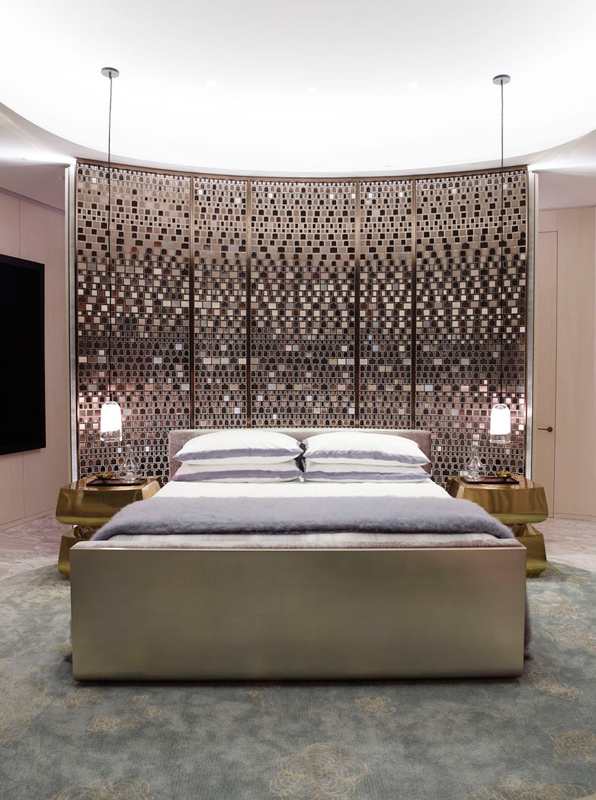
Manila Retail Interior Design Company: Redefining Physical Retail in the Digital Era
The rise of e-commerce has transformed the way consumers shop. With digital platforms offering convenience and competitive pricing, brick-and-mortar retail stores are facing increasing pressure to remain relevant. However, Manila Retail Interior Design Company experts believe that the future of physical retail lies in the power of experience-driven design.
By blending technology with creative spatial planning and emotional design, physical stores can offer something online shopping cannot—a memorable, tactile, and personalized experience that builds customer loyalty and brand strength.
As Manila continues to evolve as a regional retail hub, the design of physical stores becomes more crucial than ever in shaping customer behavior, enhancing brand identity, and driving business performance.
The Challenge: Competing with E-Commerce in Manila
Manila’s retail scene is diverse, from high-end shopping malls in Makati and Bonifacio Global City (BGC) to thriving street markets in Quiapo and Divisoria. Despite the dominance of online shopping, physical stores still hold tremendous value by providing experiences that e-commerce cannot replicate—human interaction, sensory stimulation, and immersion in the brand’s story.
In a city like Manila, where urban development is booming, the expectations of millennial shoppers and Generation Z are shaping new retail standards. These consumers crave multi-sensory engagement, customization, and brand experiences that foster emotional connections.
As local shopping culture continues to merge with global retail trends, Manila is becoming a testing ground for retail transformation—creating new challenges and opportunities for physical stores to remain competitive.
Key Retail Design Trends for 2026
1. Experiential Retail Environments
In a world dominated by screens, physical stores must offer more than just products. Experiential retail creates engaging environments that allow customers to interact with products, personalize their experience, and become part of the brand story.
By integrating technology, art, lighting, and sound, retailers in Manila can create immersive brand environments that leave lasting impressions on customers.
2. Omnichannel Integration
In 2026, integrating digital and physical shopping experiences is no longer optional. Omnichannel retail allows customers to enjoy a seamless shopping experience—whether online or in-store. Retailers can offer click-and-collect services, mobile payments, and in-store app experiences to keep up with digital trends while maintaining the tactile nature of physical shopping.
3. AI-Driven Customer Journey Design
Using AI and behavior analytics, retail interior design can anticipate customer flow, optimize store layouts, and personalize the shopping journey. In Manila, the tech-savvy consumer expects personalized experiences, and AI can help businesses track preferences, suggest products, and tailor in-store promotions.
4. Smart Store Layouts
Retail stores need to be adaptive, creating spaces that maximize engagement and optimize traffic flow. Data-driven layouts help store managers understand consumer behavior, allowing for better product placement and store design.
For example, smart mirrors, interactive displays, and digital signage in stores across Makati and BGC can enhance customer engagement while boosting sales.
5. Sensory Design and Emotional Engagement
In Manila, where the climate is tropical and the shopping experience is heavily influenced by social and cultural elements, sensory design plays a significant role. The lighting, textures, colors, and sounds in a store contribute to how a customer feels about the brand. By tapping into the emotional aspects of shopping, brands can build stronger customer loyalty and differentiate from the competition.
6. Flexible Retail Spaces
Manila’s fast-paced retail market demands flexible store designs that can easily adapt to trends and seasonal changes. Modular furniture, adjustable layouts, and reconfigurable spaces allow retailers to make quick adjustments, whether it’s for a special promotion, a product launch, or a shift in customer preferences.
How Interior Design Creates Competitive Advantage
Retail interior design is much more than aesthetics—it’s a strategic business tool. Effective retail design in Manila goes beyond attractive storefronts. Here’s how design decisions directly contribute to business success:
-
Customer Engagement: A well-designed store creates an emotional connection with customers, resulting in longer visits and increased dwell time.
-
Brand Loyalty: Physical stores act as brand ambassadors, reinforcing the story and values that resonate with the consumer.
-
Increased Sales: Optimized layouts, smart product placement, and immersive experiences drive higher sales conversion rates.
-
Operational Efficiency: Space planning ensures streamlined operations, from staff workflow to product stocking, ultimately reducing costs and maximizing profitability.
Retail Design in Manila: Local Context and Trends
The Manila retail market is rapidly evolving, with mall culture remaining strong, particularly in areas like Makati, BGC, and Quezon City. Retailers here are highly adaptive, leveraging technology, and responding to the social and lifestyle behaviors of the local population.
Consumer Behavior and Shopping Culture in Manila
Manila’s shoppers enjoy social, communal experiences, so experiential retail has a significant impact. Street shopping culture, such as Divisoria and Greenhills, coexists with upscale mall culture, meaning retailers must cater to both high-end consumers and more price-conscious shoppers.
Cultural Expectations
Filipino consumers place great value on personalized service, comfort, and community. In-store experiences must create a sense of welcoming hospitality, blending contemporary design with traditional warmth.
The Future of Retail Design in Manila
The future of retail design in Manila will be technology-driven, people-centric, and adaptive. As e-commerce continues to rise, brick-and-mortar stores must embrace technology, create emotional connections, and deliver seamless omnichannel experiences to thrive.
Our firm is proud to lead the charge in transforming Manila’s retail landscape with design that enhances customer experience, drives sales, and builds brand loyalty. As the retail industry grows in Manila, we remain at the forefront of delivering innovative, adaptable spaces that meet the needs of both today’s and tomorrow’s shoppers.
Conclusion
To stay competitive in Manila’s evolving retail market, businesses must invest in dynamic, experiential, and flexible retail spaces. At our firm, we specialize in designing spaces that not only attract but engage customers, creating environments that drive sales, build brand equity, and provide memorable experiences.
Ready to transform your retail space? Contact us today for a consultation, and let’s design the future of retail in Manila together.
Connect with us in Retail Interior Design Company Manila
Linkedin, Facebook, Instagram, Youtube,and more


