Interior Design Manila: Bedroom Lighting for Better Rest
Bedroom comfort improves when light can shift between practical tasks, winding down and nighttime movement without glare.
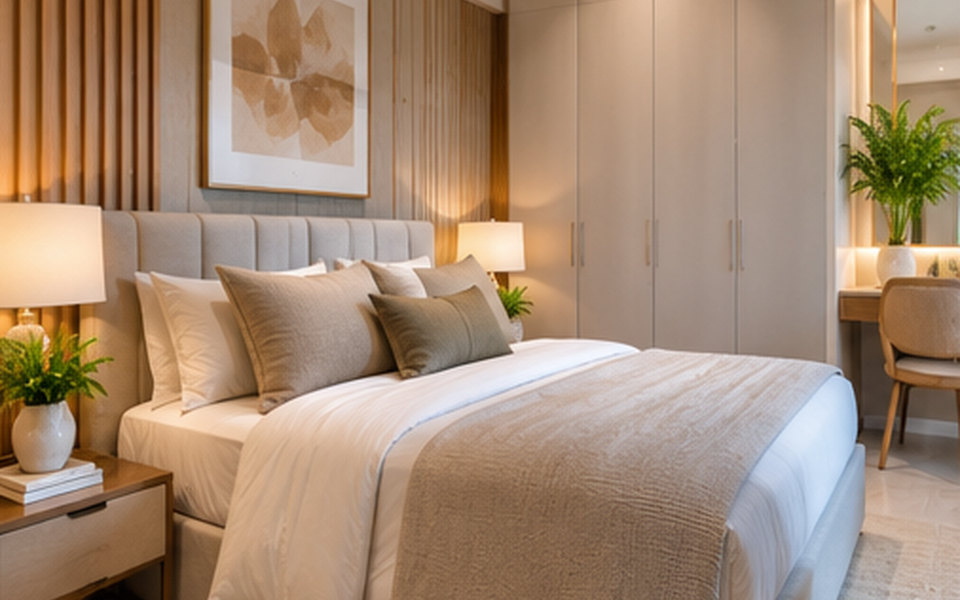
Bedroom comfort improves when light can shift between practical tasks, winding down and nighttime movement without glare. For homeowners creating restful bedrooms, the most useful next step is to document your priorities, measurements, usage patterns and the constraints of the property before selecting finishes.
Why this matters in Metro Manila
Bedroom comfort improves when light can shift between practical tasks, winding down and nighttime movement without glare. In Manila's varied residential towers and commercial environments, site conditions, building rules, natural light, air-conditioning and access can materially change the right solution. Design decisions should be tested against the specific location rather than copied from an attractive photograph.
A helpful starting point is to identify who uses the space, what happens there on a typical day, what must remain easy to maintain, and which decisions may be costly to change later. This turns inspiration into a workable brief.
Practical design decisions
Layer ambient and bedside light
Provide general lighting for cleaning and dressing, then add separately controlled reading lights. A single bright ceiling lamp is rarely comfortable for every task. Where applicable, confirm dimensions and technical constraints on site and coordinate implementation with qualified trades.
Control glare from the bed
Check the view from pillow height before locating downlights, mirrors or illuminated cabinets. Shielded fittings and indirect sources help keep brightness out of the direct line of sight. Where applicable, confirm dimensions and technical constraints on site and coordinate implementation with qualified trades.
Use daylight without sacrificing privacy
Combine curtains or shades according to window orientation, neighboring views and desired darkness. Check access for curtain cleaning and whether airflow is affected. Where applicable, confirm dimensions and technical constraints on site and coordinate implementation with qualified trades.
Plan switching before the fit-out
Bedside control, night-time pathways and easy-to-reach switches make the room usable. Coordinate outlets with the final bed size and bedside furniture. Where applicable, confirm dimensions and technical constraints on site and coordinate implementation with qualified trades.
Common mistakes to avoid
Details that seem minor in a mood board can become expensive or inconvenient after installation. Review these common risks during planning:
- Relying on one harsh overhead light — evaluate how the choice affects daily use, cleaning, safety or long-term adaptability.
- Placing switches behind the headboard — evaluate how the choice affects daily use, cleaning, safety or long-term adaptability.
- Ignoring street light entering through windows — evaluate how the choice affects daily use, cleaning, safety or long-term adaptability.
Project-brief checklist
Before requesting a concept or a contractor quotation, prepare the following information. A clear brief helps designers compare options and explain trade-offs:
- Bed placement and reach to outlets.
- Daylight and window-treatment needs.
- Lighting circuits and dimming compatibility.
Also share any target completion date, overall spending limit, property-management requirements, and accessibility or maintenance needs. For a full project, explore the studio’s design and planning services and compare relevant examples in its portfolio.
Frequently asked questions
Should bedroom lights all use the same brightness?
No. Bedside reading, wardrobe visibility and nighttime navigation have different requirements; separate controls are often more useful than one setting.
Are blackout curtains necessary in Manila?
They can help in bright urban locations, but choice depends on sleeping preference, window exposure, heat and airflow. Layered treatments provide flexibility.
Next steps
Use the checklist above as a conversation starter rather than a substitute for site inspection or professional technical advice. For homeowners creating restful bedrooms, the strongest result usually comes from combining a realistic brief with good coordination among design, building services, procurement and construction teams.
If you are ready to discuss a project, review the contact page and describe the property, approximate size, intended users and the main challenge you want the design to solve.