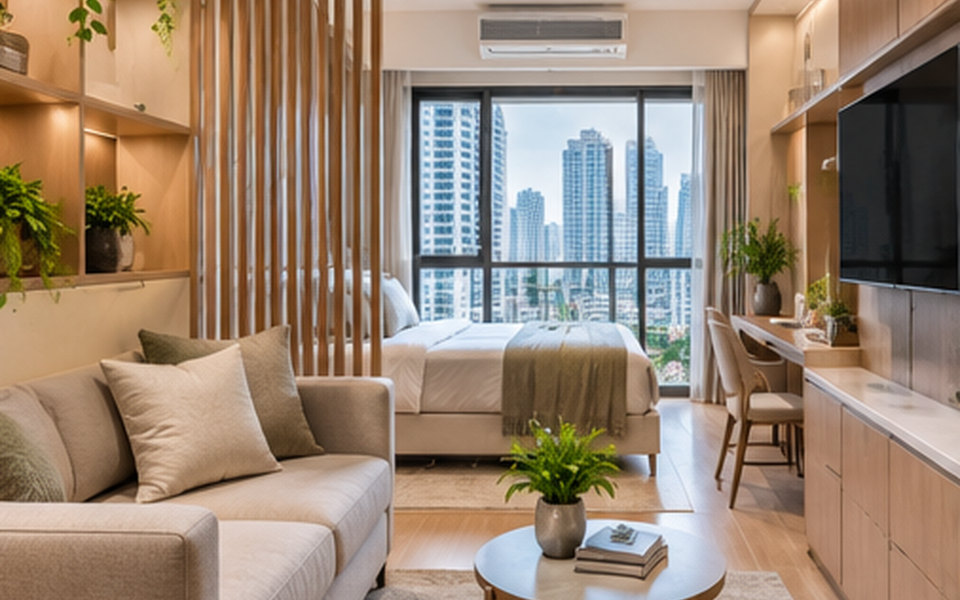
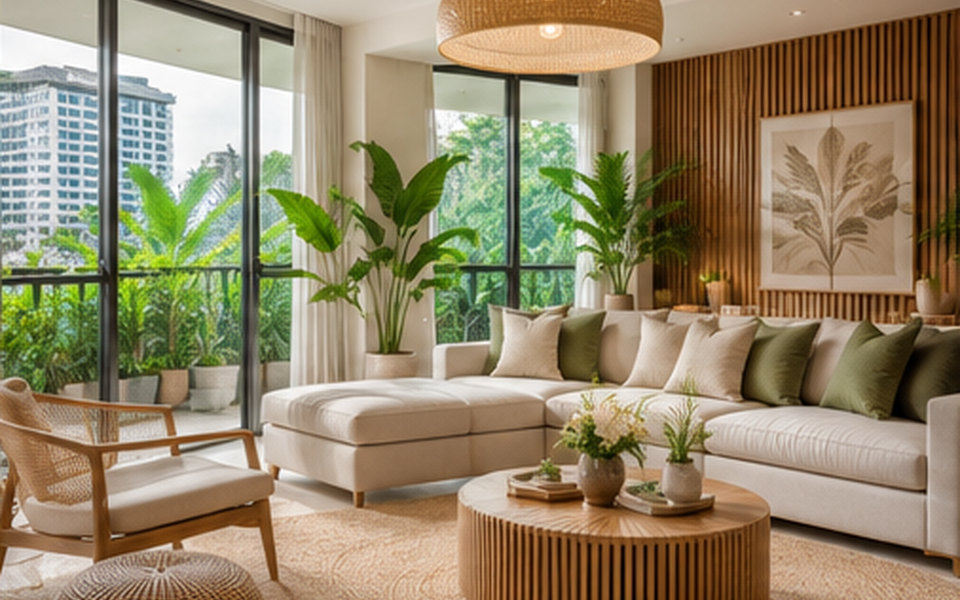
Interior Design Manila: Sustainable Materials and Low-VOC Finishes
Sustainable selection starts with verified performance, indoor-air considerations and durability rather than a green-looking color palette.

Sustainable selection starts with verified performance, indoor-air considerations and durability rather than a green-looking color palette. For clients trying to improve material choices, the most useful next step is to document your priorities, measurements, usage patterns and the constraints of the property before selecting finishes.
Why this matters in Metro Manila
Sustainable selection starts with verified performance, indoor-air considerations and durability rather than a green-looking color palette. In Manila's varied residential towers and commercial environments, site conditions, building rules, natural light, air-conditioning and access can materially change the right solution. Design decisions should be tested against the specific location rather than copied from an attractive photograph.
A helpful starting point is to identify who uses the space, what happens there on a typical day, what must remain easy to maintain, and which decisions may be costly to change later. This turns inspiration into a workable brief.
Practical design decisions
Ask for product evidence
Review relevant product declarations, manufacturer details and maintenance guidance where available. Marketing descriptions such as “natural” or “eco” are not substitutes for usable technical data. Where applicable, confirm dimensions and technical constraints on site and coordinate implementation with qualified trades.
Consider lifecycle and replacement
A product that lasts, can be repaired and is easy to maintain may reduce replacement needs. Compare options by application and expected wear, not simply by purchase price. Where applicable, confirm dimensions and technical constraints on site and coordinate implementation with qualified trades.
Address emissions and ventilation together
Low-emitting products may support indoor-air goals, but correct installation, curing and adequate ventilation still matter. Discuss adhesives, sealants and coatings as well as visible finishes. Where applicable, confirm dimensions and technical constraints on site and coordinate implementation with qualified trades.
Reduce waste through smart detailing
Standardized dimensions, adaptable furniture and selective reuse can limit unnecessary offcuts and demolition. Review existing elements before assuming everything must be replaced. Where applicable, confirm dimensions and technical constraints on site and coordinate implementation with qualified trades.
Common mistakes to avoid
Details that seem minor in a mood board can become expensive or inconvenient after installation. Review these common risks during planning:
- Trusting vague sustainability labels — evaluate how the choice affects daily use, cleaning, safety or long-term adaptability.
- Ignoring adhesives and sealants — evaluate how the choice affects daily use, cleaning, safety or long-term adaptability.
- Discarding serviceable furniture without assessing reuse — evaluate how the choice affects daily use, cleaning, safety or long-term adaptability.
Project-brief checklist
Before requesting a concept or a contractor quotation, prepare the following information. A clear brief helps designers compare options and explain trade-offs:
- Product performance and emission documents.
- Maintenance and replacement expectations.
- Opportunities for reuse and waste reduction.
Also share any target completion date, overall spending limit, property-management requirements, and accessibility or maintenance needs. For a full project, explore the studio’s design and planning services and compare relevant examples in its portfolio.
Frequently asked questions
Does “low-VOC” mean a finish has no emissions?
Not necessarily. Claims have different definitions and tests; check the applicable product documentation and installation conditions.
Is the most expensive material the most sustainable?
Not always. Durability, use, transport, maintenance and potential repair can be more relevant than a premium price.
Next steps
Use the checklist above as a conversation starter rather than a substitute for site inspection or professional technical advice. For clients trying to improve material choices, the strongest result usually comes from combining a realistic brief with good coordination among design, building services, procurement and construction teams.
If you are ready to discuss a project, review the contact page and describe the property, approximate size, intended users and the main challenge you want the design to solve.